

Overcoming Anxiety Naturally
Anxiety can arrive without warning, tightening the chest, quickening the heartbeat, and setting thoughts spinning until focus is hard to find. Everyday moments begin to feel uncertain, and the mind starts scanning for what might go wrong rather than what is going right.
This is not a personal failing, it is a protective pattern that has been overused. The process of overcoming anxiety naturally starts by recognising what your nervous system has been trying to do for you, and then guiding it back toward balance through consistent, compassionate practice.
When your brain predicts a threat, real or imagined, it prepares the body for action. Adrenaline rises, breathing shortens, muscles prime for movement.
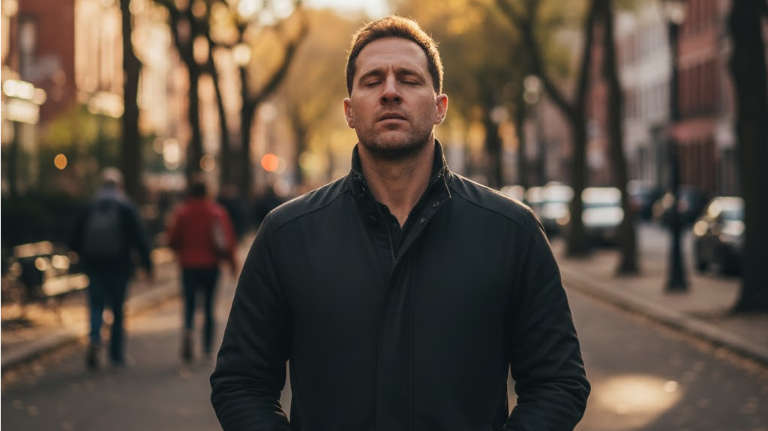
In genuine danger this response can be lifesaving, however, in modern life the trigger is often a memory, a prediction, or a sudden surge of doubt.
Each time the alarm fires in a safe situation, the mind learns to expect it again. By gently updating those expectations and rehearsing calmer responses, you lay the foundations for overcoming anxiety naturally in a way that feels steady and sustainable.
Why Anxiety Feels Overwhelming
Anxiety is a survival reflex. It prioritises speed over accuracy, which is why anxious thoughts can feel so convincing even when they are based on predictions rather than facts. The more often the alarm sounds, the more the brain expects it, and the easier it becomes to slip into worry. This is precisely why overcoming anxiety naturally is effective, because you are teaching the system through experience that calm is possible and that ordinary situations are safe.
The subconscious stores patterns that once seemed protective. Perhaps you forgot your words during a presentation, or you watched a parent react with fear to spiders or enclosed spaces. Without your permission, the mind tagged those cues as dangerous. With careful, respectful work, those tags can be updated. You are not fighting your mind, you are educating it, and this mindset is central to overcoming anxiety naturally without relying on unhelpful coping crutches.
How Patterns Form in the Subconscious
The subconscious learns by repetition and emotion. Strong feelings mark experiences as important, which means similar contexts later can trigger the same state. Even when you logically know you are safe, the body may react before you have time to think. The work of overcoming anxiety naturally involves providing new evidence, through repeated calm encounters, that changes what the mind predicts. Gradually, the system learns to forecast steadiness rather than crisis.
Anxiety does not look the same for everyone. For some, it arrives as a surge of panic, a thudding heart, a need to escape. For others, it hides behind overthinking, perfectionism, or the urge to control every detail. It can disturb sleep, drain energy, and narrow a life that used to feel open. Naming your pattern with honesty and kindness helps you target the right changes, and it supports the deeper process of overcoming anxiety naturally with patience rather than pressure.
Practical Steps for Daily Calm
Start by noticing the first signals. When you feel the quickening breath or the rush of what ifs, pause. Lengthen your exhale and breathe slowly through the nose. This communicates safety to body and brain and helps your thoughts settle. Then ask, is this a fact or a prediction. Predictions can be parked while you return to what you are doing. Each time you do this, you place another brick in the path of overcoming anxiety naturally, one ordinary moment at a time.
Choose one small action that moves life forward. Send the message, make the cup of tea, step into the room for two minutes. Action generates evidence that you can cope, and evidence is how the subconscious updates. Reinforce the shift with calm cues such as I can handle this, my body knows how to settle, I am safe enough to proceed. Repetition matters. Consistent small wins accumulate into the larger change of overcoming anxiety naturally in daily life.
Working with the Subconscious Mind
Approaches that directly engage the subconscious, including hypnotherapy, can accelerate change. In hypnosis you remain aware, relaxed, and focused, which opens access to the level of mind where automatic reactions are stored. Together we reframe old associations, rehearse steadier responses, and install confident expectations for situations that used to trigger fear. This collaborative process supports overcoming anxiety naturally by aligning what you intend with how your body responds.
As the subconscious starts to trust that you are safe, physical symptoms shift as well. Muscles soften, digestion improves, and sleep becomes easier. You notice that a conversation once avoided now feels manageable, a journey that seemed daunting becomes routine, a morning that used to begin with dread starts with quiet readiness. Each calm experience is evidence, and evidence is the currency of overcoming anxiety naturally with lasting impact.
Lifestyle Support for Recovery
Steady daily habits create conditions where emotional balance is easier to maintain. Regular movement helps clear stress chemistry and lifts mood, balanced meals stabilise energy, and reducing caffeine can ease the jittery sensations that mimic anxiety. Time outdoors and a consistent sleep routine support regulation. None of these alone is a cure, however, together they nurture the ground in which overcoming anxiety naturally can take root and grow.
If progress stalls, structured support can help. Hypnotherapy offers a clear path to align conscious intention with subconscious change. You learn how to settle the body, reshape unhelpful predictions, and practise new responses until they become familiar. This is practical work, grounded in repetition and care, and it keeps you moving toward overcoming anxiety naturally in a way that feels authentic rather than forced.
Building Lasting Change
Progress often begins quietly. A situation that once triggered panic now feels tolerable, then manageable, then unremarkable. Sleep deepens, plans expand, and your world begins to open again. There will still be days when the old pattern flickers, but you will know what to do, breathe, notice, return to the task, and let the wave pass. With repetition, these skills weave into your automatic responses, and they are the fabric of overcoming anxiety naturally for the long term.
You do not need perfection to feel better, you need practice. Each time you respond with steadiness, you teach your mind and body a new lesson about safety. Over time the lessons accumulate, and the anxious response loses its grip. With patience, clarity, and support where needed, you can continue overcoming anxiety naturally and live from a calmer, more confident foundation that feels like you.