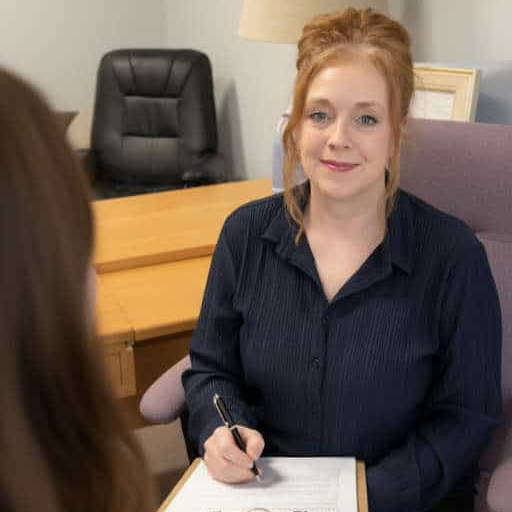
You know your subject, but the thought of standing up to speak makes it difficult to trust what you know. Perhaps it is a presentation at work, a wedding speech or the moment everyone turns towards you in a meeting. Your heart starts racing, your mouth feels dry and you begin to worry that you will lose your place. Fear of public speaking can become as much about the days beforehand as the talk itself, with repeated rehearsal leaving you tired rather than reassured.
The worry is often specific: what if my voice shakes, what if I go blank, or what if people notice how anxious I am? You may turn down an opportunity, write out every word or spend hours trying to prepare for questions nobody has asked. At AbsoluteU, I offer hypnotherapy for public speaking in Horsham, near Crawley, and online, with work shaped around the situations you actually need to manage.
The aim is to help you speak with more freedom and less fear, while keeping the useful preparation your task requires. If judgement also makes everyday conversation, eating with colleagues or meeting people difficult, the social anxiety page covers that wider experience. Here, the focus is speeches, presentations and speaking when a group’s attention is on you. My hypnotherapy for anxiety page explains the overall approach behind this work.

Understanding the fear of public speaking and performance anxiety
Being the focus of a group can make ordinary signs of arousal feel unusually significant. A quickened heartbeat becomes something the audience might notice; a pause becomes evidence that you are failing. Once attention turns towards monitoring your own performance, it becomes harder to stay with your message. You may know the material well and still feel as though your preparation has disappeared at the moment you need it.
The setting matters too. Some people are comfortable explaining something to a small team but feel anxious at a lectern. Others manage a formal talk yet dread being asked to contribute without warning. We look at the differences rather than assuming you are frightened of every kind of speaking. The work should reflect your audience, the purpose of the talk and what you fear might happen.
A previous difficult experience may influence what you expect next time, but there does not have to be one defining event. Anticipation, self monitoring and repeated attempts to conceal nerves can all keep the problem going. We can explore how these fit together for you and decide which part would be most useful to change first.
Some nerves are compatible with speaking well. An audience may hear a thoughtful contribution even when the speaker feels uncomfortable inside. Learning to allow a little uncertainty about how you are coming across can reduce the pressure to control every sensation before you begin.
That gives us a practical direction: helping you stay connected with what you want to say, respond to a pause or mistake and continue, instead of treating a perfectly calm body as the entry requirement for speaking.
How hypnotherapy for public speaking helps
My approach to anxiety combines hypnotherapy with CBT techniques and other practical methods where useful. For public speaking, we can use focused rehearsal to work with expectations, attention and your response to familiar triggers. Hypnosis is a collaborative process. You remain aware and able to ask questions, without needing to achieve a particular depth of relaxation.
Depending on what you need, our work may include:
- Understanding what you predict an audience will think
- Reducing repeated checking of your voice, face or hands
- Rehearsing a manageable response to a pause or lost word
- Adjusting preparation that has become driven by fear
- Practising speaking in suitable, gradual steps
We will choose goals that make sense for you. Someone preparing a wedding speech may need help allowing emotion without fearing they will lose control. A person who avoids speaking in meetings may need to practise making a short contribution before they feel completely ready. The techniques are there to support the task, rather than add another complicated routine you must get right.
Reframing the past and preparing for the future
If an earlier speaking experience still feels vivid, we can explore the meaning you took from it and how it affects your expectations now. Perhaps a single blank moment has come to stand for being incapable, even though it says little about the rest of your knowledge or ability. Working with that interpretation can be useful without trying to erase the event or assume it explains everything.
We can then rehearse a future situation more realistically. Instead of imagining a flawless performance, you might practise beginning at an ordinary pace, looking up from a note or pausing to find your next point. Preparation can include responding to a difficult moment, so a small imperfection does not automatically become a reason to abandon the talk.
For a presentation, this might mean knowing your opening, the main points you want to convey and how you will finish. For a meeting, it might mean choosing one idea to contribute. These are examples of useful preparation, with enough flexibility to listen and respond when the situation changes.
Visualisation can support that preparation, but it is not a substitute for knowing your material or practising aloud. We can combine mental rehearsal with appropriate real practice, reviewing what you learn from each attempt. If you have a date in mind, tell me when you enquire so we can discuss what is realistic in the time available.
“I have seen clients who once shook at the thought of speaking in public go on to lead presentations, teach, and perform with genuine ease. When the subconscious mind learns that you are safe, everything changes.”
Progress might involve less time dreading the event, fewer rehearsals driven by panic or more willingness to continue after losing a word. You may still feel a burst of nerves before starting. The useful question is whether those feelings have less control over what you do.
Building authentic confidence
Confidence in speaking develops partly through experience: you prepare, take part, notice what happened and learn from it. Anxiety can interrupt that process by making every attempt feel like a test of your worth. We can work towards a fairer way of judging a talk, including whether your audience understood the message, rather than how closely you matched an imagined ideal.
Practical preparation may include:
- A clear opening and a small number of main points
- Notes you can use without reading every word
- Practice aloud in conditions suited to the event
- Allowing time to pause, breathe normally and continue
- A balanced review afterwards, including what went well

Afterwards, we can also look at how you review the experience. It is useful to notice something you would change next time, but repeatedly searching for evidence of embarrassment can keep the fear alive. A balanced review includes what you managed, what the audience actually did and one realistic adjustment. It leaves room to move on with the rest of your day.
Frequently Asked Questions
Anticipation, attention and the meaning you attach to being watched can all contribute. You may be afraid of making an error, showing nerves or being unable to continue. We will explore the specific prediction and what you do in response, rather than assuming every speaker has the same cause.
We can work on fear of going blank and rehearse practical ways to respond if you lose your place, such as pausing and returning to a short note. The aim is to reduce the sense that one difficult moment would ruin everything. No therapy can guarantee you will never forget a word.
These can be part of the work, particularly when fear of being noticed makes the symptoms more distressing. We can address self monitoring and practise continuing with some nerves present. Progress does not have to depend on eliminating every visible sign of emotion.
Yes, the work can focus on contributing in meetings or answering a question while others listen. We will use the situations that matter to you. If anxiety affects ordinary conversations much more broadly, we may also consider the patterns described on the social anxiety page.
There is no fixed order. Useful signs may include less anticipatory worry, more manageable preparation or feeling able to speak despite some discomfort. We will agree your goals and review them, including whether the approach needs adjusting or a different kind of support would be more useful.
Taking the first step
If a speech, presentation or meeting is becoming a source of dread, you can contact me to discuss it. It helps to mention the situation and any date you are working towards. We can consider what support is appropriate and set realistic expectations about preparation and progress.
Sessions take place at Roffey Park Institute in Horsham, near Crawley, or online. Current appointment lengths and options are on the professional fees page. A free initial telephone consultation gives us an opportunity to discuss your questions before arranging therapy.
You do not need a polished explanation of the problem to make an enquiry. Describing what happens before and during speaking is a useful place to begin.