
A panic attack can arrive with a force that is difficult to explain to someone who has never experienced it. Your heart may race, your breathing feel uncomfortable, and the urge to escape become overwhelming. Afterwards, you may feel shaken and exhausted. Then another question begins to take up space: what if it happens again, somewhere you cannot easily leave? That fear of another attack can start to shape journeys, shopping, work and time with other people.
I offer hypnotherapy for panic attacks in Horsham, near Crawley, and online. The work focuses on the panic itself and on the expectations, checking and avoidance that may develop around it. We begin by understanding what you experience, including any medical assessment you have had, then agree what would help you regain confidence in ordinary situations. My page on hypnotherapy for anxiety explains the wider approach behind this work.
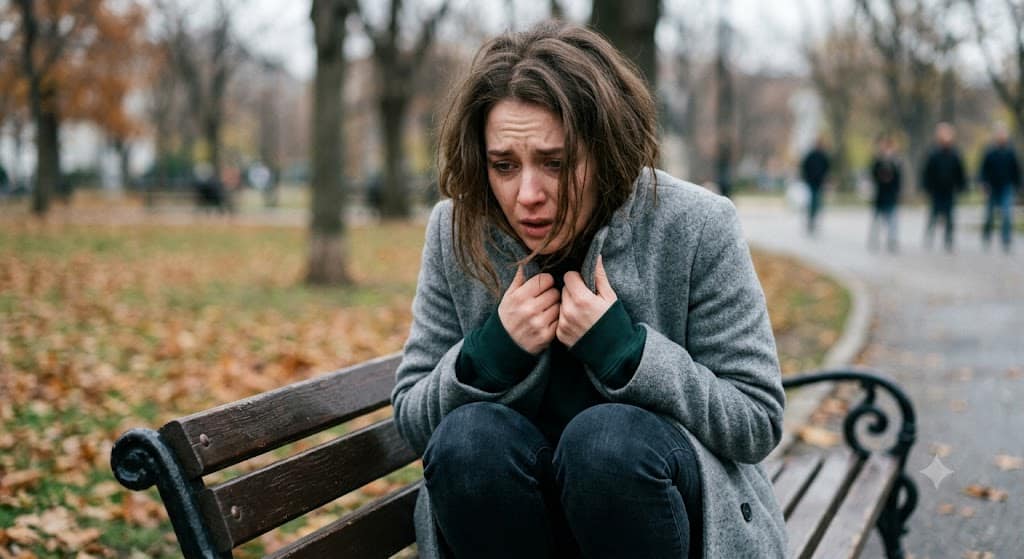
Understanding the attack and the fear afterwards
Panic involves a rapid surge of fear and physical arousal. You may notice a pounding heart, trembling, sweating, dizziness, nausea, tingling or a feeling of being detached from your surroundings. A sudden change in breathing or a strong sensation can feel alarming, especially when it seems to have appeared without explanation. Panic attacks can occur alongside different anxiety problems, and having an attack does not automatically mean you have panic disorder.
Once you have been frightened by an attack, attention can become fixed on early warning signs. You notice your heartbeat while walking upstairs, or feel warm in a queue, and wonder whether panic is beginning. The interpretation adds fear to the sensation, which makes the sensation more noticeable. This can become a cycle of watching, predicting and reacting, even during activities you previously managed without thinking about your body.
Physical symptoms should not automatically be labelled as anxiety. A GP can assess recurring symptoms and consider other causes. Sudden chest pain that does not go away, pain spreading to the arm, neck or jaw, or chest pain with sweating, sickness or shortness of breath needs emergency help: call 999. The NHS chest pain guidance explains when to seek urgent care. Once symptoms have been assessed as panic, we can work on the fear associated with them.
When life starts to revolve around an escape route
After an attack in a particular place, avoiding that place can feel entirely sensible. You might choose the seat nearest the door, leave a shop before the queue builds or stop travelling beyond a familiar distance. These decisions often bring immediate relief. Over time, though, they can leave you less certain that you could cope without an exit or a trusted person nearby. The things you do to feel safer can become conditions you feel you must always meet.
Understanding this is not a reason to criticise yourself or rush into something overwhelming. We look at which precautions are practically necessary and which are driven by panic. From there, we can plan manageable steps towards activities you want to reclaim. The pace matters, as does what you learn from each experience. Being able to remain involved in an activity, even with some discomfort, can be a more useful sign of progress than waiting to feel absolutely calm before you try.
How I work with panic attacks
We start with your experience of panic: what seems to trigger it, what you fear will happen, how you respond and what you have begun to avoid. You might be frightened of fainting, losing control, being noticed or being unable to get home. These are different concerns, even when the physical sensations look similar. My wider anxiety approach provides the background; the work here stays focused on your particular panic cycle.
Hypnotherapy can be used to rehearse responding to a familiar trigger with less alarm and to work with the expectations attached to an earlier attack. Alongside hypnosis, CBT techniques may help us examine catastrophic predictions and change patterns of checking or escape. We can also practise ways of allowing breathing and attention to settle without turning them into another test you must pass to feel safe. You remain involved and able to ask questions throughout.
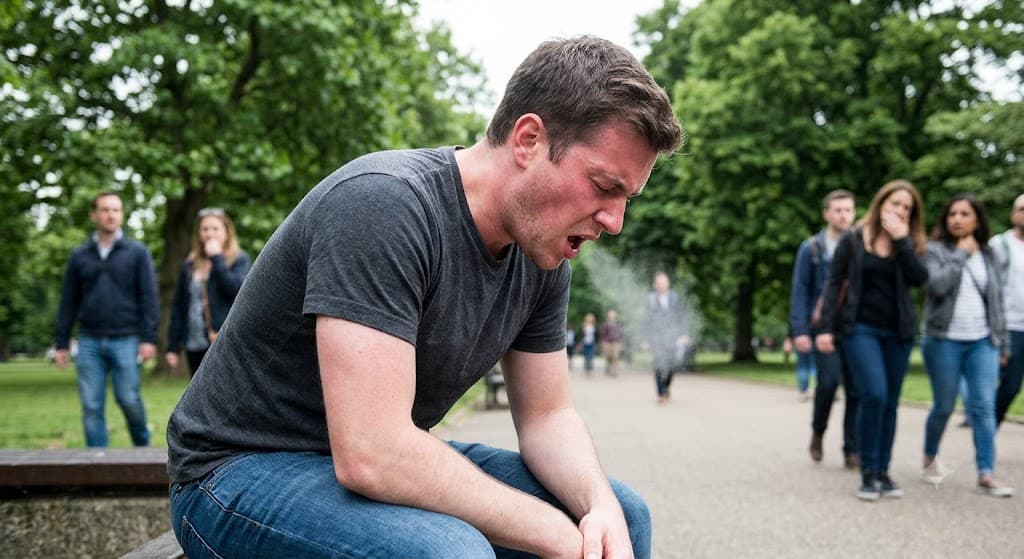
Between sessions, we may agree a small piece of practice in a suitable everyday situation. That could involve noticing an urge to check, taking a familiar journey or returning to an activity you value. We discuss what happened and adapt the next step. Hypnosis recordings or self hypnosis may support the work where appropriate, but the aim is to build confidence in your own response rather than make an audio or a ritual feel essential.
Treatment choices and realistic progress
CBT is an established treatment for panic disorder and is recommended in NICE guidance. Hypnotherapy has broader research support for reducing anxiety, but that does not establish the same evidence for treating panic disorder specifically. We can discuss how my approach fits with medication, NHS treatment or other therapy you are already receiving, and whether another service would better meet your needs.
Progress is personal. It may show up as less time anticipating another attack, fewer situations avoided, or a quicker return to what you were doing after a surge of fear. There is no required order in which those changes must happen. A difficult day does not erase earlier progress, and an improvement in one setting does not mean every other situation will immediately feel easy. We review what is changing and where support is still needed.
One client who had been avoiding motorways for over two years described the moment she drove past her old turning point without a second thought. “I almost didn’t notice,” she told me. “That’s how normal it had become.” That is the kind of quiet, lasting freedom this work can create.
Frequently asked questions
Yes, panic can appear to come from nowhere. It is still useful to explore the context, your physical symptoms and any relevant health or medication factors. A GP can help assess symptoms and distinguish panic from other causes. Therapy does not depend on finding one dramatic event that explains every attack.
We will discuss any exercise before using it and agree why it might be useful. There is no requirement to surprise you or push you into an overwhelming situation. Where gradual practice is appropriate, it should be planned around your needs, health and confidence, with space to review your response.
There is no fixed number that reliably applies to everyone. We will agree goals and review progress, including changes in avoidance as well as the attacks themselves. The fees page gives current appointment lengths and options. A package is a way of booking support, rather than a promise that panic will stop within a specified number of sessions.
Support in Horsham and online
If fear of another attack is limiting what you do, you can contact me for a free initial telephone consultation. Appointments take place at Roffey Park Institute in Horsham, near Crawley, and online. We can talk through what has been happening, what support you already have and whether this approach would suit you.