Help for Social Anxiety in Horsham, Crawley & West Sussex
Social anxiety is far more than shyness. It is an intense, often overwhelming fear of being judged, embarrassed, or humiliated by others. It can make something as ordinary as walking into a room, joining a conversation, or eating lunch with colleagues feel utterly exhausting.
If you live with social anxiety, you will know how much mental energy goes into the anticipation beforehand and the analysis afterwards. You replay conversations, worry about how you came across, and dread the next social situation before the current one has even ended.
Social anxiety can quietly narrow your world. Over time, you may find yourself turning down invitations, avoiding career opportunities, or staying on the edges of social situations to feel safe. The relief of avoidance is real but temporary. The cost to your confidence and your life is not.
Things can be different. Social anxiety responds very well to the right kind of support, and many people find that hypnotherapy creates a depth of change that other approaches have not been able to reach.
Do You Recognise Any of This?
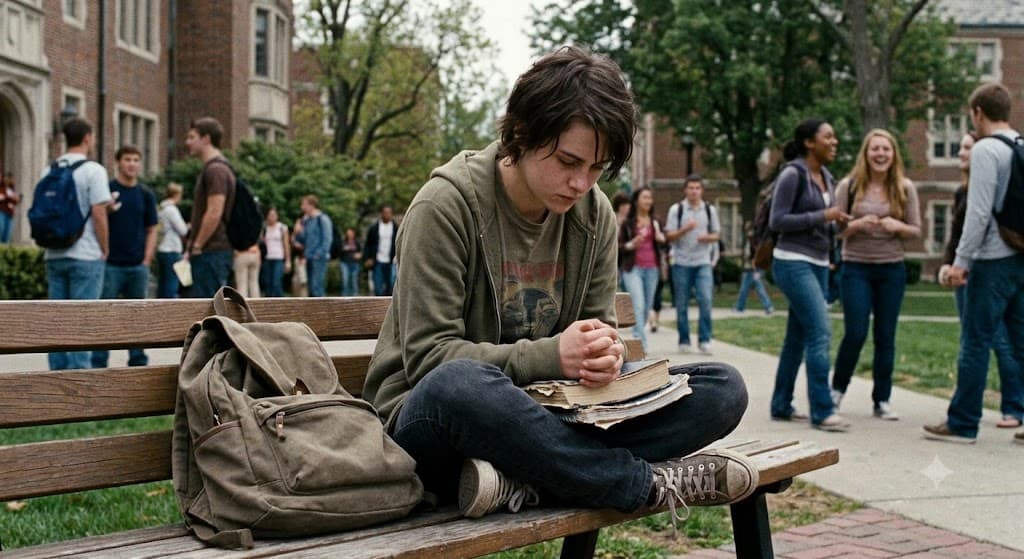
Social anxiety shows up differently for different people, but common experiences include:
- Dreading social events days or weeks in advance
- Feeling self-conscious or as though everyone is watching and judging you
- Struggling to make or maintain eye contact
- Blushing, sweating, trembling, or a racing heart in social situations
- Difficulty speaking up in groups or meetings
- Avoiding situations where you might be the centre of attention
- Replaying social interactions and criticising yourself afterwards
- Feeling exhausted by interactions that seem easy for others
If you recognise yourself here, you are not alone. Social anxiety is one of the most common anxiety disorders, yet many people carry it quietly, telling themselves they are just introverted or bad at socialising. The truth is that social anxiety is a learned pattern, and learned patterns can change.
Table of Contents
Why Social Anxiety Persists
Social anxiety is maintained by the subconscious mind. At some point, your mind learned to associate social situations with threat. Perhaps you experienced embarrassment, rejection, or criticism that felt deeply significant. Your subconscious filed that experience away as evidence that social situations are dangerous.
From that point on, your nervous system begins to prepare you for danger whenever a social situation approaches. The physical symptoms, the blushing, the racing heart, the blank mind, are all your body responding to a perceived threat. The irony is that these very symptoms often become a source of further self-consciousness, feeding the anxiety rather than resolving it.
Avoidance makes logical sense in the short term but teaches the brain that the feared situation is genuinely dangerous. The more you avoid, the stronger the anxiety becomes. Working with both the subconscious and conscious mind is the most effective way to break this pattern.
How Hypnotherapy for Social Anxiety Works
At AbsoluteU Clinical Hypnotherapy in Horsham and Crawley, I use a combination of Hypnotherapy, CBT, and NLP to help you feel calmer, more confident, and more at ease with other people.
Through hypnotherapy, we can access the subconscious beliefs and associations that are driving the anxiety response. In a relaxed, focused state, the mind becomes open to forming new connections. We can begin to change the way your subconscious reads social situations, from threat to neutral or even positive.
CBT techniques help you identify and challenge the unhelpful thoughts that social anxiety produces, such as the belief that everyone noticed your blush, or that you said something wrong. NLP works to shift your internal experience of social situations, helping you create a calmer, more grounded sense of yourself when you are with others.
You will also receive personalised self-hypnosis techniques and practical tools to use between and after sessions, so that the changes you make continue to build and strengthen over time.
“Real change begins when you stop fighting your thoughts and start guiding them. That’s when calm becomes your new normal.”

The Changes You Can Expect
Clients who work on social anxiety often describe a quiet but profound loosening of the grip it has had over their lives. The change rarely happens all at once, but builds steadily over sessions.
Many people notice:
- Feeling calmer before and during social situations
- Less time spent on anticipation and post-event analysis
- More confidence speaking up in groups or meetings
- A reduction in blushing, sweating, or physical tension in social settings
- Greater ease in everyday interactions, from shops to small talk
- The ability to be present in conversations rather than monitoring themselves
- Saying yes to things they had been quietly avoiding
One client described the moment she realised she had sat through an entire team lunch without once thinking about how she was coming across. “I was just there,” she said. “That sounds small but for me it felt enormous.” That is the kind of freedom this work can create.
Evidence and Effectiveness
The combination of hypnotherapy, CBT, and NLP that I use at AbsoluteU is grounded in evidence. A 2019 meta-analysis found that hypnotherapy significantly reduced anxiety, particularly when combined with CBT. Research also shows that hypnotherapy helps regulate the nervous system and quieten the overactive fear response that drives social anxiety.
The Royal College of Psychiatrists recognises hypnosis as a valid and effective method for anxiety management (Hypnosis and hypnotherapy). When this is combined with the practical tools of CBT and the pattern-interrupting techniques of NLP, the result is a therapy that works at multiple levels, creating change that is both felt and lasting.
Frequently Asked Questions About Social Anxiety
Is social anxiety the same as being an introvert?
No. Introversion is a personality trait, a natural preference for quieter or smaller social settings, and it is not a problem. Social anxiety is different. It involves genuine distress and fear in social situations, and a desire to connect that is blocked by anxiety. Many people with social anxiety actually want to engage socially but feel unable to do so without significant discomfort. Hypnotherapy for social anxiety does not try to turn introverts into extroverts. It helps remove the barrier of fear so you can engage with others on your own terms.
Can hypnotherapy for social anxiety help with blushing?
Yes. Blushing is one of the most distressing aspects of social anxiety for many people, particularly because it is visible and therefore seems to confirm fears about being noticed or judged. Because blushing is driven by the body’s stress response, hypnotherapy can help reduce it by calming the underlying anxiety. As you become less self-conscious and less activated by social situations, the physical symptoms, including blushing, typically reduce alongside the emotional ones.
I have had social anxiety for a long time. Can it really change?
Yes. Social anxiety that has been present for many years can still respond well to hypnotherapy. The subconscious does not have a time limit on change. What it has learned, it can unlearn. That said, longer-standing patterns may take a little more time to shift, and we will work at a pace that feels right for you. Many clients who had given up hope of change have been surprised by the depth and speed of the improvements they experienced.
Do you work with teenagers with social anxiety?
Yes. Social anxiety is particularly common in adolescence, when peer relationships and social acceptance feel especially significant. I work with young people aged seven and above and have specialist training in paediatric hypnotherapy. For teenagers, social anxiety can affect friendships, school participation, and future choices, so early support can make a meaningful difference. Sessions can take place in Horsham, near Crawley, or online, whichever feels most comfortable.
How many sessions will I need?
The number of sessions depends on how long social anxiety has been present and how much it has affected your daily life. Some people notice meaningful changes within three to five sessions. Others benefit from a longer programme, particularly if avoidance has become deeply established. I offer a five-session package with a 10% discount, which many clients find a good way to begin structured work. Sessions are available in Horsham, near Crawley, and online.
Taking the First Step
Social anxiety can feel so familiar that it seems like just part of who you are. But it is not. It is a pattern, and patterns can change.
I would be delighted to support you as you begin to find a calmer, more comfortable way of being with other people. Sessions are available at the Roffey Park Institute in Horsham, near Crawley, and online for clients across West Sussex, Surrey, and beyond.