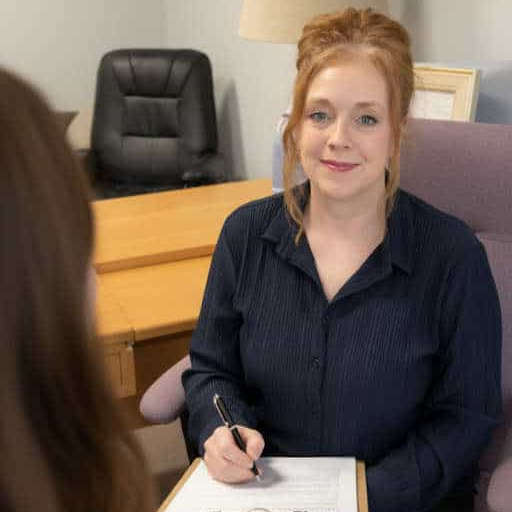
Hypnotherapy for School Anxiety in Horsham, Crawley & West Sussex
Watching your child struggle with anxiety is one of the hardest things a parent can face. You want to help, but you may not always know what to say or how to reach them. You can see that they are suffering, and you want them to feel safe — but anxiety is not something you can simply reassure away.
Anxiety in children can show up in many different ways. For some children it is a reluctance or refusal to go to school. For others it is stomach aches every Sunday evening, tearful mornings, or a growing list of situations they want to avoid. Some children become clingy and fearful; others become irritable or prone to meltdowns. Some worry constantly and visibly; others keep it hidden until it becomes too much to carry.
Whatever it looks like for your child, one thing is clear: childhood anxiety is real, it matters, and it responds very well to the right kind of support.
I work with children and young people from the age of seven with school anxiety, and I have specialist training in paediatric hypnotherapy. The approach I use is gentle, age-appropriate, and designed to give young people tools they can actually use — tools that build confidence, calm, and a genuine sense of being able to cope.
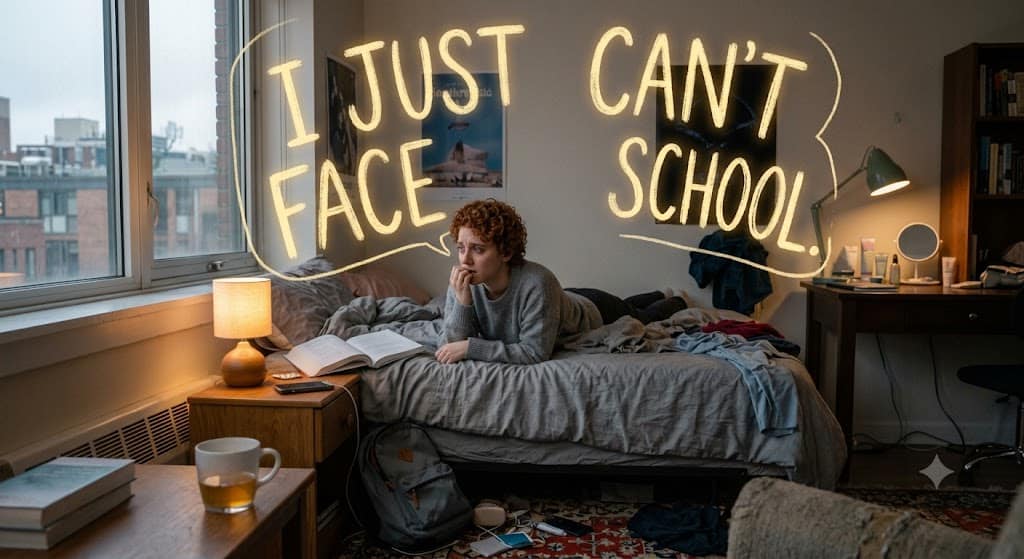
Signs That Your Child May Be Struggling With School Anxiety
Anxiety in children does not always look the way you might expect. Children often lack the words to describe what they are experiencing, and their anxiety can come out in behaviour rather than direct expression. Some signs to look out for include:
- Reluctance or refusal to attend school
- Frequent stomach aches, headaches, or other physical complaints, particularly on school mornings
- Tearfulness, clinginess, or separation anxiety
- Difficulty sleeping, nightmares, or wanting to come into your bed
- Avoiding social situations, activities, or things they used to enjoy
- Excessive worry about things going wrong, including things in the future
- Asking repeatedly for reassurance
- Outbursts, irritability, or emotional dysregulation that seems disproportionate
- Difficulty concentrating at school or a drop in academic performance
If you recognise your child here, please know that you are not imagining it, and it is not a phase that you simply have to wait out. With the right support, children can make remarkable progress — often faster than adults, because younger minds are naturally flexible and responsive to change.
School Anxiety and School Refusal
School anxiety is one of the most common reasons parents contact me. It can range from mild reluctance to complete refusal, and it is often accompanied by very real physical symptoms: nausea, headaches, shaking, and a racing heart are all common.
School refusal is not defiance and it is not manipulation. It is anxiety. The school environment can feel genuinely overwhelming to a child who is struggling: the noise, the social complexity, the performance pressure, the unpredictability. When anxiety is running high enough, the brain registers school as a threat and does everything it can to avoid it.
Every day that a child stays home can make it harder to go back. Avoidance provides temporary relief but reinforces the message that school is dangerous. Breaking this school anxiety cycle requires working with both the child’s subconscious fear response and their conscious understanding of what is happening.
I work closely with the child and with parents to create a plan that makes returning to school feel possible rather than overwhelming. Progress is often faster than families expect.
How Hypnotherapy for Children’s Anxiety Works
Children often respond to hypnotherapy even more readily than adults. Their subconscious minds are naturally more open and imaginative, which means that therapeutic change can happen quickly and comfortably.
Sessions with children and young people look different to adult sessions. I use age-appropriate language, storytelling, visualisation, and play-based techniques alongside hypnotherapy to make the work feel engaging and non-threatening. There is no pressure to talk about everything in detail. Often the most powerful changes happen when we work creatively and indirectly.
I draw on Hypnotherapy, CBT, and NLP to work with both the subconscious and conscious mind. This means addressing the automatic fear response that is driving the anxiety, as well as giving the child practical tools and strategies they can use in daily life.
Children are also taught simple self-hypnosis and calming techniques that they can use at home and at school, giving them something tangible and empowering to hold on to.
I always involve parents in the process. Understanding what your child is experiencing and how to support them between sessions is an important part of the work.
“One parent told me how their ten-year-old, who had been in tears most mornings before school, began walking through the school gates with confidence after just a few sessions. They noticed not only fewer anxious outbursts but also a much happier child at home.”
What Children and Young People Experience
Most children enjoy hypnotherapy sessions far more than they expected to. The experience is relaxing, imaginative, and feels quite different to conventional talking therapy. Children often describe feeling calm, sleepy, and comfortable during the process.
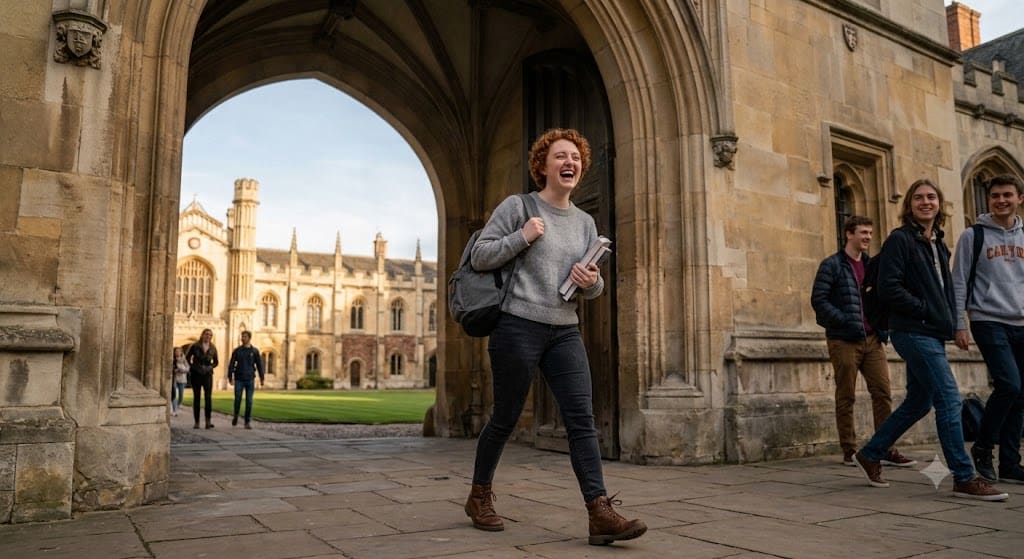
Parents often notice changes at home before they appear at school. A child might seem more settled in the evenings, sleep more easily, or stop asking for reassurance as frequently. Gradually, the morning resistance eases, the stomach aches reduce, and the child begins to trust their own ability to cope.
Over the course of our work together, families often notice:
- Fewer morning meltdowns and a calmer start to the school day
- Reduced physical symptoms such as stomach aches and headaches
- A child who is more willing to try things they had been avoiding
- Improved sleep and better emotional regulation at home
- A growing sense of confidence and self-belief
- The child beginning to use their own calming tools independently
Frequently Asked Questions About School Anxiety in Children
From what age do you work with children?
I work with children from the age of seven upwards, as well as teenagers and young adults. The approach is always adapted to the child’s age, developmental stage, and individual personality. For younger children, sessions tend to be shorter and more imaginative. For teenagers, the work often looks closer to adult hypnotherapy, with more direct conversation and a greater emphasis on the tools and understanding they can take away.
Will my child be willing to try hypnotherapy?
Many children are curious and open to hypnotherapy, particularly when it is introduced as a way of learning to feel calmer and more in control, rather than as “therapy”. A free initial consultation gives your child a chance to meet me, understand what sessions involve, and ask any questions before we begin. I find that most children relax quickly once they experience how gentle and comfortable the process is. For particularly anxious or reluctant children, we can move at a very gentle pace.
Do parents need to be present during sessions?
For younger children, a parent is usually present for at least part of the session. For teenagers, many prefer their own space, and I am led by what works best for the young person and their family. I always make time to speak with parents — either at the start or end of each session — to share what we have worked on and how you can support your child at home. Your involvement is a valued part of the process.
My child has been refusing school for weeks. Can hypnotherapy still help?
Yes. Even where school refusal has become well-established, hypnotherapy can make a significant difference. The longer the pattern has been in place, the more important it is to address both the anxiety and the avoidance directly. I work with you and your child to create a gentle, structured approach to returning to school, with support at each stage. Progress is rarely instant, but many families are surprised by how much can shift in a short period of time when the right work is being done.
Can hypnotherapy help with anxiety in children who also have ADHD or autism?
Yes. Anxiety is very common in children with ADHD and autism (Clinical hypnosis in pediatric care: An adjunctive tool or therapeutic illusion – PMC), and hypnotherapy can be adapted effectively for neurodivergent young people. I work flexibly and always take the time to understand your child as an individual. If your child has specific needs or has found other forms of support difficult to engage with, please do mention this when you get in touch. I am happy to discuss how we might tailor the approach to suit them.
How many sessions will my child need?
Children often make progress more quickly than adults, particularly when the school anxiety is relatively recent. Many families notice meaningful changes within four to six sessions. For more established patterns, or where school refusal has been present for some time, a longer course may be more beneficial. I will always be transparent about progress and work collaboratively with you to plan the right number of sessions for your child. Sessions are available in Horsham, near Crawley, and online.
Taking the First Step
If you are worried about your child, please do not wait and hope it passes. Anxiety in children tends to grow the longer it goes unaddressed, and early support can make an enormous difference to a young person’s confidence, wellbeing, and future.
I would be delighted to speak with you about your child’s situation and how I might be able to help. A free initial consultation gives us a chance to talk through what is happening and whether hypnotherapy feels like the right fit for your family.
Sessions for school anxiety are available at the Roffey Park Institute in Horsham, near Crawley, and online for families across West Sussex, Surrey, and beyond.
Contact Free Initial Consult