

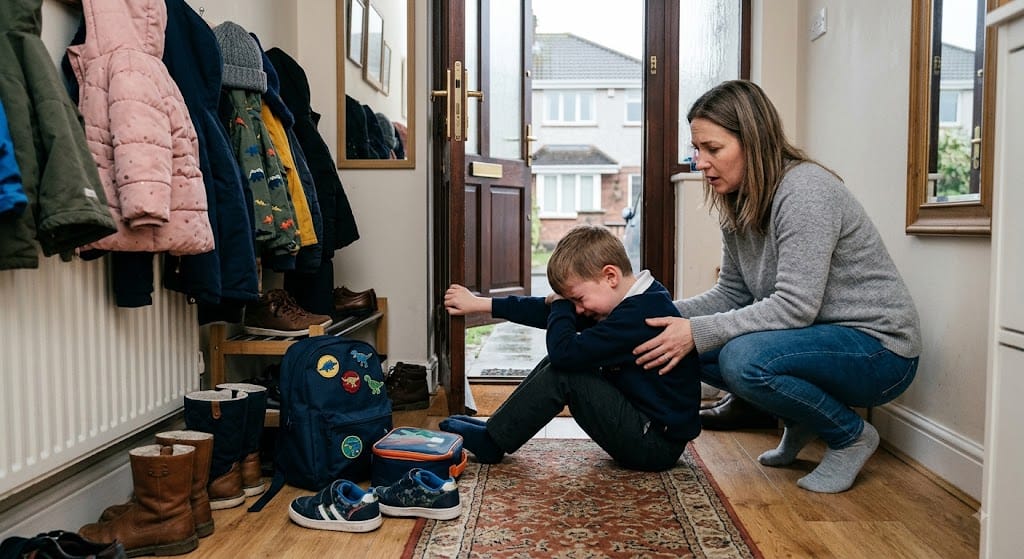
The uniform is ironed, the shoes are still box-fresh, and the pencil case has that new-term smell. But for many children (and let’s be honest, plenty of parents too) the weeks before school starts again aren’t filled with excitement, they’re filled with dread. The stomach aches begin. The sleep gets patchy. The “I don’t feel well” mornings creep in earlier and earlier. Back to school anxiety is far more common than most people realise, and it can cast a shadow over the last part of the holidays.
The good news is that you don’t have to wait until the night before term starts to begin helping your child feel more prepared.
This article looks at gentle ways to approach the return to school; if worries are persistent or you would like to understand the therapeutic support available, my School Anxiety page explains how I work with children and teenagers. Preparing for September is one part of that wider picture, rather than a deadline your child has to meet.
Giving the Return to School Some Breathing Space
It is easy for conversations about “getting ready for school” to slip into the last few days of the holidays, once the anxiety is already loud. A new teacher, a different classroom, friendship worries or simply the shock of routine after weeks of freedom can all leave plenty of room for anxious “what if” thoughts. Trying to settle every fear the night before puts pressure on everyone. Beginning gently while there is still some holiday left gives you more opportunities to listen, practise and find out what would make the return feel more manageable.
There isn’t a perfect two- or three-week window that suits every child, and no set number of sessions can guarantee a calm first morning. Some families find it helpful to start a few weeks ahead, while others need support earlier or only recognise the difficulty once term has begun. If school starts tomorrow, it is still worth making a small, helpful change today. The aim is to give new patterns time to become familiar, without turning preparation into another thing to get right.
Easing Back to School Anxiety at Home
When back to school anxiety begins to build, rebuilding the body clock gently can make mornings feel less of a shock. Move back towards school-day bedtimes and waking times gradually, and involve your child in ordinary preparations such as checking the bag, trying on the uniform or choosing breakfast. These familiar details can provide a little predictability when the bigger picture feels uncertain. Keep some space for holiday enjoyment too, so that the return to school doesn’t take over every conversation.
When you talk, try to find out which part of the day feels hardest rather than reassuring your child that everything will be fine. “Is it leaving home, walking through the gate or knowing who to sit with?” may be easier to answer than “Why are you worried?” A quiet moment together, a drawing or a walk can help the conversation feel less intense. Listen to what they tell you before looking for solutions; a practical worry about lunch or a friendship may need a practical response, not simply a more positive thought.
An Anxious Mind and a More Prepared Mind
An anxious morning can bring a jolting alarm, thoughts that something bad will happen, a churning stomach and a parent trying to firefight while watching the clock. Preparation cannot promise to remove those feelings, but it can give you both something more useful to draw on. A familiar sequence for getting ready, a plan for who will meet your child and a phrase such as “We can take this one step at a time” can make the next step clearer, even when nerves are still there.
Rehearsing one manageable part of the morning in the imagination may also help it feel more familiar. Your child might picture putting their bag away or greeting a trusted adult, rather than having to imagine a whole perfect school day.
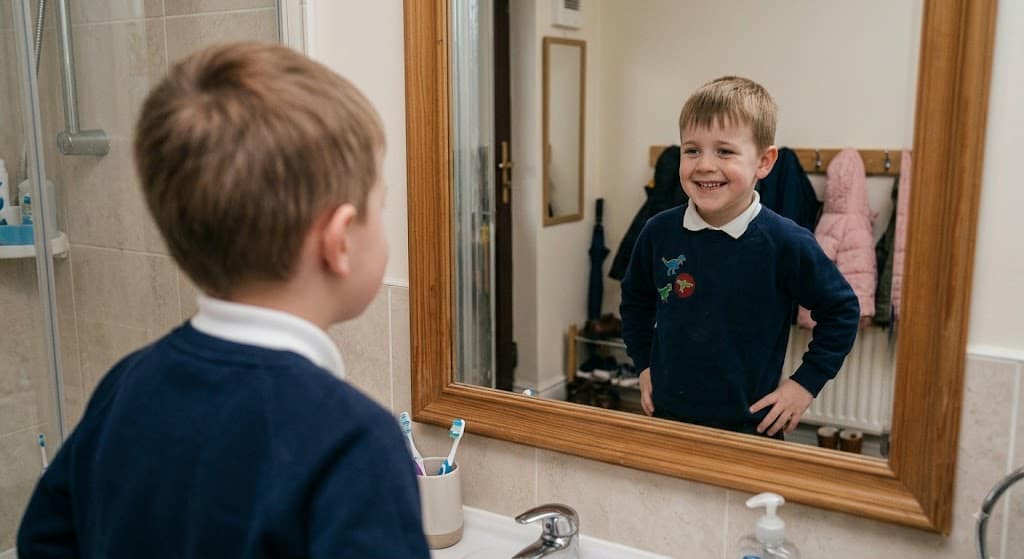
Practise a comfortable, steady breath together when things are calm, so it is available when nerves appear; it should feel helpful rather than like a test. Notice small efforts and ask what helped, instead of measuring progress only by whether there were tears.
It Isn’t About Forcing Positivity
Telling an anxious child to “just be positive” rarely works, and can sometimes make them feel worse, as if their fear is somehow wrong. Building confidence isn’t about painting over anxious feelings. It is about helping a child understand those feelings and develop steadier responses, while taking seriously anything at school that needs to change. If bullying, learning difficulties, noise or an unmet support need is involved, calming techniques alone will not resolve the problem.
Using hypnotherapy alongside practical CBT techniques, I can help a child, or an adult supporting them, explore unhelpful beliefs and build genuine, felt confidence rather than a mask of positivity. At AbsoluteU in Horsham, near Crawley, and online, sessions are gentle, collaborative and adapted to the young person, from age seven. Work with both conscious thinking and more automatic responses may include imagery and rehearsal, with personal audios where appropriate to support practice between sessions. The approach and pace depend on the individual, alongside any other support they receive.
Making a Plan with School
If worries keep returning, contact the class teacher, pastoral lead or SENCO and share what your child finds difficult. Together you can discuss a trusted adult to go to, a quieter arrival or another suitable adjustment, and agree when to review how it is working. Include your child’s views so the plan feels like support they understand. Where distress is affecting attendance, ask for an individual plan rather than leaving the family to manage each morning alone.
Persistent, new or concerning physical symptoms deserve a conversation with your GP rather than being assumed to be anxiety. If distress is severe or daily life is being affected, seek appropriate health support alongside discussions with school. YoungMinds’ guide for parents on school anxiety and attendance difficulties offers further practical information. Therapeutic work can sit alongside this support, but should not delay addressing a health concern or something harmful in the school environment.
Small Wins and Family Experiences
“Small wins, such as watching a child walk into school calmly, begin to build into lasting transformation.” – Nicole Wetherell
Nicole was very professional with my 6 year old daughter. She was kind and listened to her. Gave us both good ideas on dealing with her panic attacks and anxiety.- G.C Google Review
Myself and my son have both been to see Nicole and she helped us hugely with a fear of heights and anxiety. I didn’t know what to expect having never had hypnotherapy before, but she immediately put us at ease and is clearly passionate about helping people and is very knowledgeable. I would 100% recommend anyone to try hypnotherapy with Nicole. – K.W Google Review
Starting Where Your Child Is Now
If back to school anxiety casts a shadow over the end of the holidays each year, starting the conversation while there is time to listen can be a useful first step. You don’t need to have every answer, and your child doesn’t need to become fearless before term begins. If you would like to discuss whether hypnotherapy could form part of their support, you can contact me for a free initial telephone consultation. We can talk through what is happening and consider what might be appropriate for your family.