AbsoluteU Clinical Hypnotherapy
Hypnotherapy in Horsham, Crawley, West Sussex and Online – Helping You Feel Calmer, Stronger, and More in Control. Professional therapy to empower your mind and body, to create the future of who you want to be.
Here at AbsoluteU Clinical Hypnotherapy, I offer hypnotherapy in Horsham, Crawley and online, giving you a safe, supportive space to explore what’s been holding you back. Whether you’re dealing with anxiety, a phobia, stress, or low confidence, change is possible. Together, we’ll work with both your conscious and subconscious mind to create the shifts you need to feel more at ease, more balanced, and more proactive in your life.
DO YOU FEEL LIKE YOU’RE BEING HELD BACK, THAT RESPONSES AND BEHAVIOURS TAKE OVER, THAT YOU DON’T KNOW HOW TO CHANGE? Read On …
What you will learn:
- I’ll teach you self-hypnosis so that you will have the ability to strengthen your changes long after you have started
- You will receive personalised techniques to give you the ability to interrupt old behaviours and redirect to new responses
- Personal audios are given so that you can use them for any other changes you may wish to create in the future
- I’ll show you how to use the powerful combination of Hypnosis, CBT and NLP to enable you to work with your subconscious and conscious minds together
- Access to my Anxiety Toolkit so you can explore techniques, audios and videos designed to work with Anxiety
Working with both adults and adolescents providing Hypnotherapy, CBT and NLP for support on both the subconscious and conscious minds together.

“Change doesn’t need to be just a thought… It can create action”
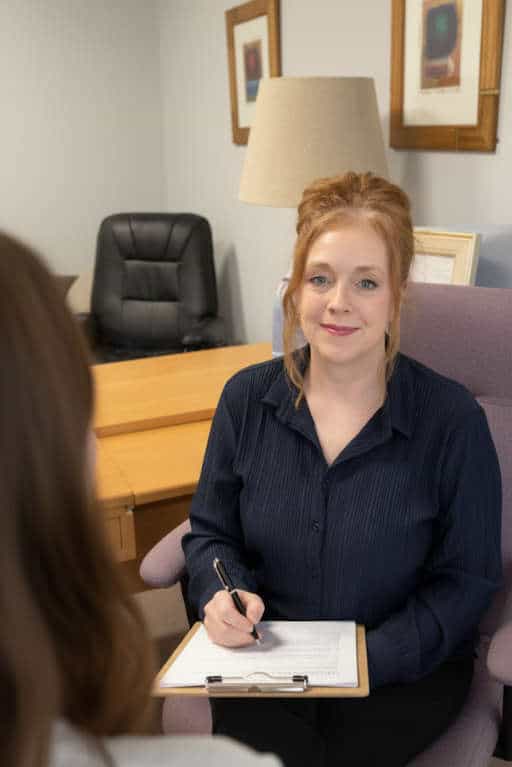
Professional Therapy to Empower your mind and body , to create the future of who you want to be
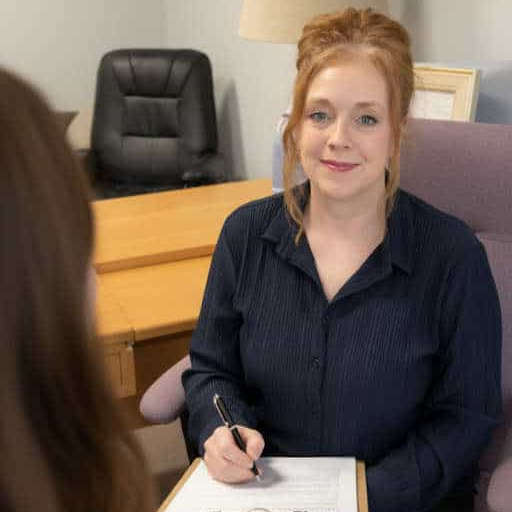
Welcome, I’m Nicole Wetherell
For the past 17 years I’ve been helping people of all ages make real and lasting changes through hypnotherapy in Horsham, Crawley and online, together with CBT, and NLP.
I believe you can now start being proactive, rather than reactive. The subconscious is a wonderful, powerful part of us and, when you start working with it, many changes can be made.
I know how overwhelming anxiety and stress can feel because I’ve experienced them myself. That’s why my approach is warm, engaging, and focused on truly listening to you.

Who I Work With
I offer therapy for:
- Adults struggling with anxiety, stress, or overthinking
- Children and teens (7+) who need support with anxiety, confidence or phobias
- Couples wanting healthier ways of relating to each other
Sessions take place in Horsham, near Crawley or online, making therapy accessible wherever you are.
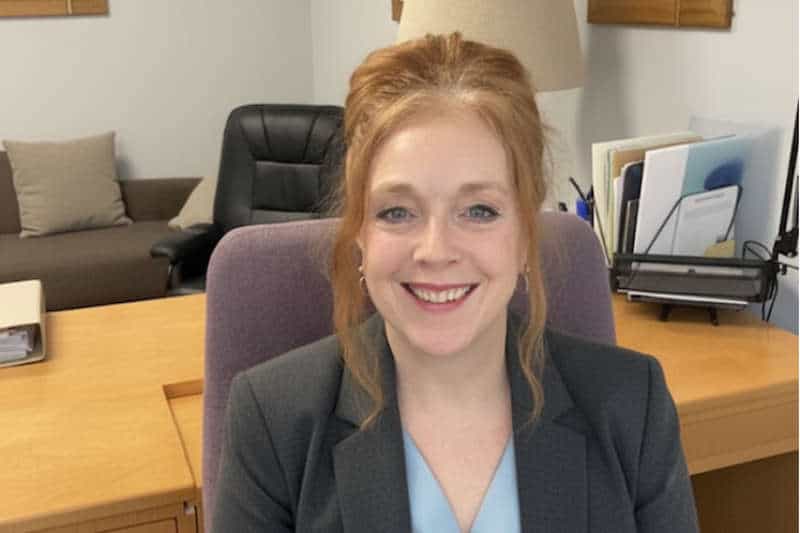
How Therapy Works with Me
Every session is tailored to your needs. I combine:
- Hypnotherapy to work with the subconscious mind
- CBT (Cognitive Behavioural Therapy) to reshape unhelpful thought patterns
- NLP (Neuro Linguistic Programming) to encourage more positive responses and behaviours
Appointments last 60–75 minutes and can be held during the day or evening. A five-session package is available with a 10% discount.
You’ll also find free resources to support you between sessions, including a relaxation audio and my anxiety toolkit.
How Hypnotherapy Can Help You
Anxiety
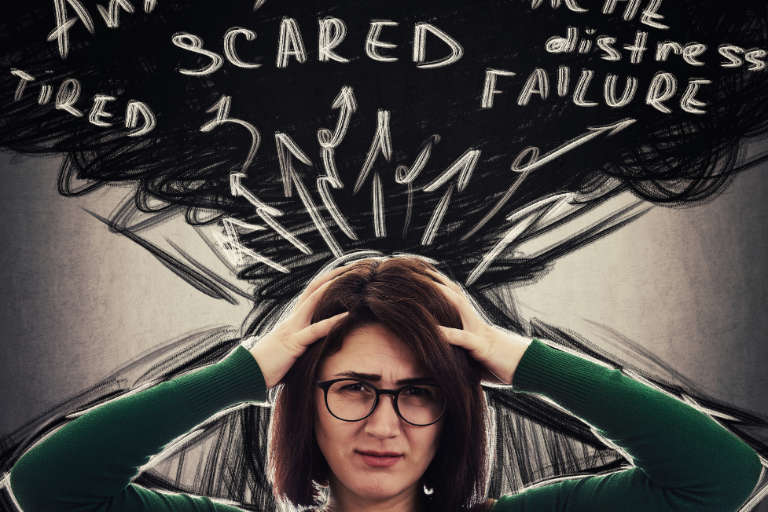
Calm racing thoughts, ease tension, and restore balance with gentle subconscious reprogramming.



Addictions and Habits
Break triggers, reprogramme responses, and build lasting freedom from unhealthy behaviours.



Online Hypnotherapy, Wherever You Are
Whilst I offer hypnotherapy in person at Roffey Park Institute in Horsham and Crawley, I also work successfully with clients worldwide online. For many people, online sessions remove the stress of travel and make it easier to start.
In today’s world, you don’t have to be limited by location to experience the benefits of hypnotherapy. Using online hypnotherapy, you can access the same structured support from the comfort of your home, whether you’re seeking help for anxiety, stress, weight loss, phobias, confidence or to to stop smoking.
How Online Hypnotherapy Works
Using secure video platforms, I will guide you through relaxing and transformative sessions, just as I would in person. In my experience, there is no difference in the effectiveness of the therapy, whether it’s conducted online or face to face. All you need is a quiet space, a stable internet connection, and a desire for positive change.
If you want AbsoluteU Hypnotherapy in Horham, Crawley and West Sussex, but you cannot attend in person, online sessions are often the simplest way to get started.
The Science Behind the Change
Many people wonder how hypnotherapy works. It isn’t about losing control or being “put under”, it’s about working with the natural power of your subconscious mind.
Your conscious mind deals with logic, decision-making, and reasoning. The subconscious holds your beliefs, emotions, and automatic responses. Sometimes these two parts of the mind come into conflict, you may logically know a fear isn’t rational, but your body still reacts as though it’s real.
Hypnotherapy uses focused relaxation to communicate with the subconscious, helping it to update old patterns. When combined with CBT and NLP, the result is therapy that works both at the deeper roots of problems and at the level of everyday habits.
That’s why hypnotherapy at AbsoluteU can help you make lasting changes, not just temporary improvements.
Why Choose AbsoluteU
- 17 years’ experience as a hypnotherapist, CBT and NLP practitioner
- Accredited with MNCH and CNHC
- Specialist training in paediatric hypnotherapy and self-harm awareness
- A calm, welcoming approach rooted in neuroscience and evidence-based practice
- Genuine understanding of anxiety from my own life experience
The Change Clients Experience
Many people arrive feeling weighed down, anxious thoughts racing, confidence knocked, or stress overwhelming everyday life. Some children I see in Horsham/Crawley area come with school anxiety, fears that hold them back socially, or worries that leave them feeling powerless. Adults often describe being “stuck in a loop” of unhelpful patterns, knowing something needs to change but not sure how.
Through hypnotherapy in Horsham, these old patterns begin to loosen. Clients often notice the first signs of freedom as they feel calmer, sleep more easily, and handle situations with a steadier mind. Confidence grows naturally as the subconscious and conscious start working together.
Small wins, such as feeling relaxed in a meeting, watching a child walk into school calmly, or saying “no” without guilt, begin to build into lasting transformation.
Another client, a professional in their forties, had spent years dreading presentations at work. After working together, they described the joy of standing in front of colleagues with a steady voice and a calm body, something they never believed possible.

One parent told me how their ten-year-old, who had been in tears most mornings before school, began walking through the school gates with confidence after just a few sessions. They noticed not only fewer anxious outbursts but also a much happier child at home.
“The subconscious is a wonderful, powerful part of us and, when you start working with it, many changes can be made.” – Nicole Wetherell
It is not about quick fixes but about creating new ways of being. Clients describe the change as liberating, like having more space to breathe, think, and live. They move from reacting to life’s challenges to shaping their own responses. And with that shift comes something truly powerful, hope.
Practical Details
When you come for hypnotherapy in Horsham, your sessions are designed to fit comfortably into your life. Each appointment lasts between 60 and 75 minutes, giving us enough time to talk through what is happening for you, explore practical strategies, and use hypnosis where appropriate. There is no rush, and sessions may sometimes run a little longer at no extra cost if that feels right.
Appointments are available both in the daytime and evening. Daytime sessions are £80, and evening sessions are £85. Many people choose to begin with my five-session package, which includes a 10% discount and provides a structured way to create lasting change.
You will find me at the Roffey Park Institute in Horsham, set in a peaceful and accessible location. I also offer online hypnotherapy sessions, giving you the flexibility to work with me from the comfort of your own home. This has proved especially useful for children and teenagers who may feel more relaxed in familiar surroundings, particularly when dealing with anxiety.
I am currently accepting new clients, so there is no waiting list. You can get in touch via phone, email, or the website contact form, whichever feels easiest for you.
Frequently Asked Questions
When you come for hypnotherapy in Horsham, your session will usually last between 60 and 75 minutes. We begin by talking about what’s happening in your life and what you’d like to change. This might be anxiety, confidence, phobias, stress, or something more specific. Many of my younger clients come with anxiety-related concerns, such as school worries, social fears, or phobias. Once we’ve talked, I’ll use a blend of hypnotherapy, CBT, and NLP to help create new ways of thinking and responding. Horsham hypnotherapy sessions are always collaborative, and you remain in full control throughout.
The number of sessions varies, depending on the person and the issue. Some people notice significant changes after just a few sessions, while others benefit from more ongoing support. For children and teenagers, progress can often be quicker because younger minds tend to adapt easily to new patterns, especially around anxiety. I offer a five-session package with a discount, as many people find this a good starting point. Whether it’s anxiety, weight management, stress, or confidence, hypnotherapy in Horsham is designed to move at your pace and create lasting results.
No. Hypnosis is a natural state of focus and relaxation that most people enter daily, such as when daydreaming or getting absorbed in a book. You don’t need to “believe” in it — simply being open to the process is enough. In Horsham hypnotherapy sessions, hypnosis allows us to work with your subconscious mind, where old patterns and beliefs are stored. This means we can change responses that no longer serve you, like anxious thoughts, stress reactions, or habits such as smoking. Even children experiencing anxiety can benefit, because the process feels calming and safe.
Yes. Hypnotherapy is a safe and evidence-based therapeutic approach when practised by a qualified professional. You remain aware, comfortable, and in control throughout. With 14 years’ experience, and accredited memberships including MNCH and CNHC, I provide a secure and supportive environment for both adults and children. Many of my younger clients come for anxiety, which can show up as worries, sleep issues, or phobias. In these cases, hypnotherapy in Horsham offers a gentle, effective way to create healthier responses. Whether for stress, confidence, weight management, or phobias, Horsham hypnotherapy is a safe choice for lasting change.
Take Your First Step Today
You do not have to keep living with anxiety, stress, or old patterns that hold you back. Hypnotherapy in Horsham, near Crawley offers a chance to create real change, and that change can start sooner than you think.
Imagine feeling calmer in situations that once overwhelmed you, or watching your child walk into school with confidence. Picture yourself making choices from a place of strength, no longer weighed down by fears or habits that used to control you. These transformations are possible, and they begin with one simple step.
I would be delighted to walk alongside you as you take that step.
Insights from Nicole
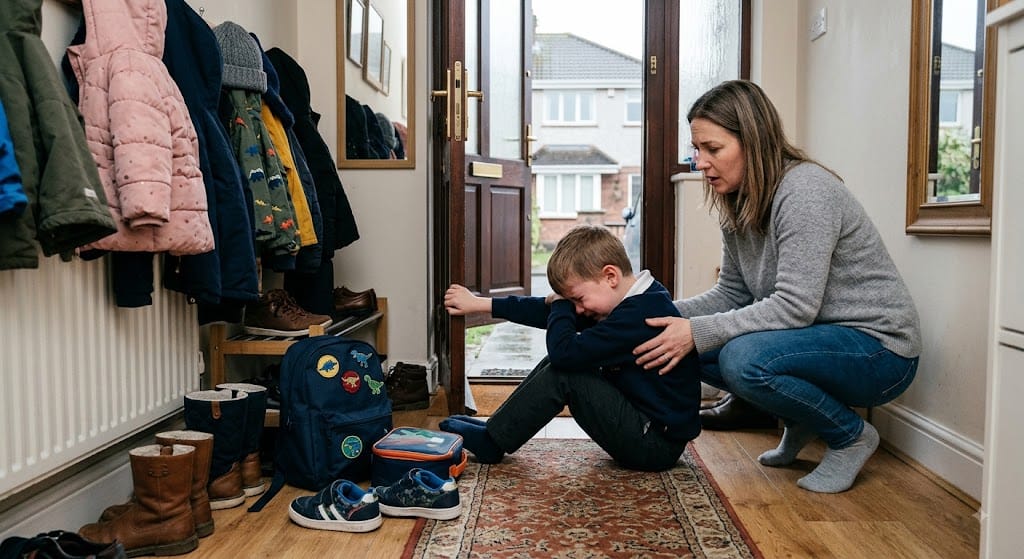
Beating Back To School Anxiety Before It Starts
The uniform is ironed, the shoes are still box-fresh, and the pencil case has that new-term smell. But for many children (and let’s be honest, plenty of parents too) the weeks before school starts again aren’t filled with excitement, they’re filled with dread – it’s the “Back To School Anxiety !!” The stomach aches begin.
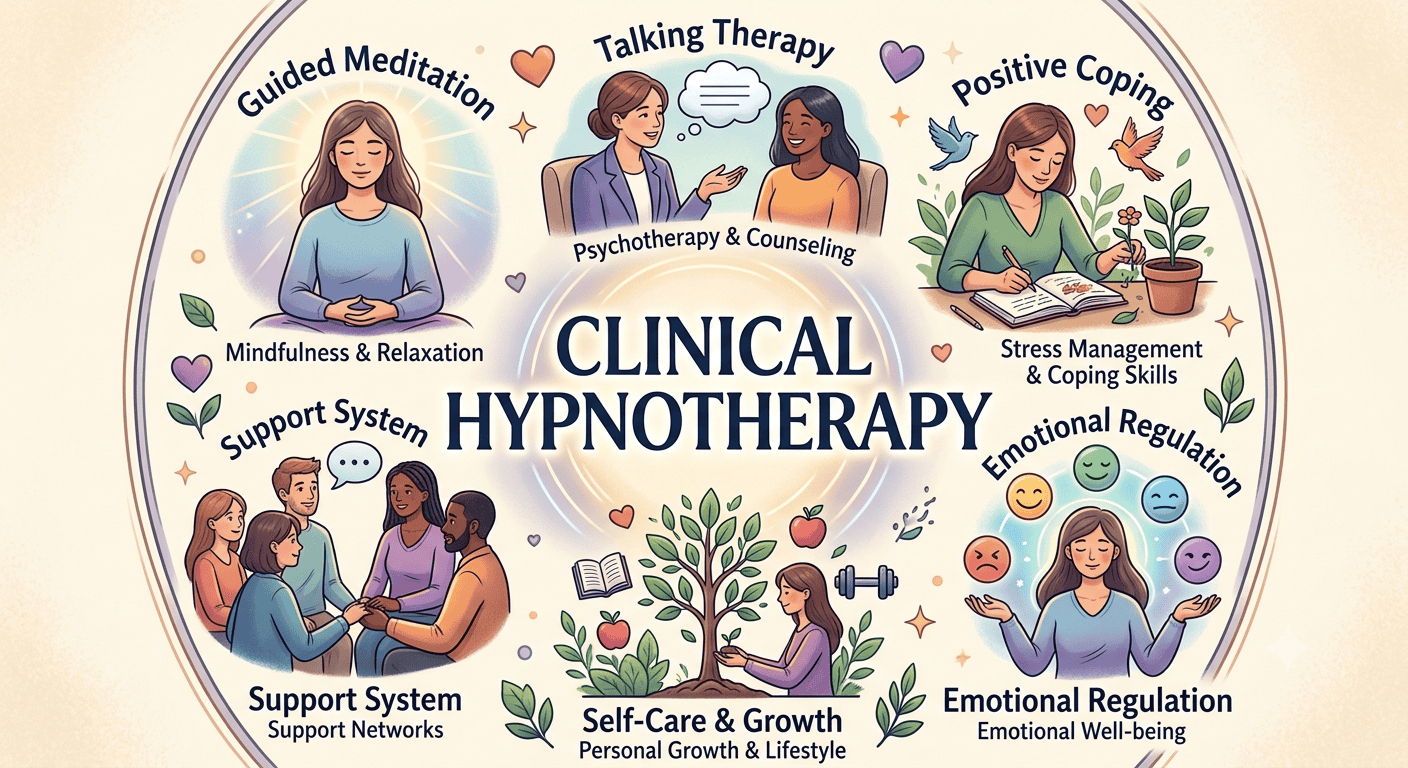
Why Clinical Hypnotherapy Is Becoming a Trusted Ally in Mental Health Care
For a long time, hypnotherapy sat on the fringes of healthcare conversations — often misunderstood, sometimes dismissed as stage entertainment rather than a genuine clinical tool. That perception is changing. A growing body of research, alongside recognition from mainstream and integrative medicine settings, is repositioning clinical hypnotherapy as a legitimate and valuable part of modern